
News & Commentary
Aug 10, 2026
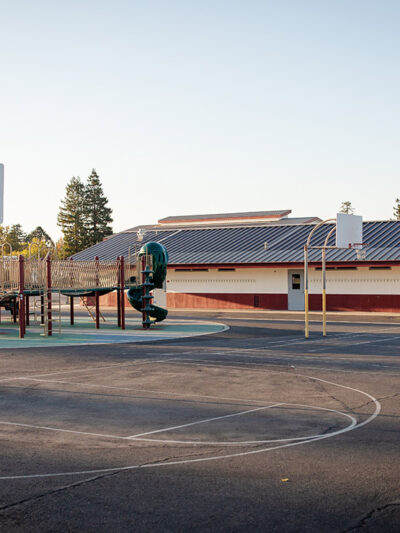
A Multi-Generational Fight for Desegregated Schools in Los Angeles
For more than 40 years, equal access to educational opportunities of Los Angeles students under the California Constitution have been protected by a court order. Now, those court-ordered protections are being challenged.
Nov 01, 2024
Voting rights for all
Measure DD would allow noncitizen residents in Santa Ana to vote in municipal elections for the first time.
By Julia A. Gomez

Oct 22, 2024
UCLA suppressed student and faculty freedom of speech. So, we sued them.
Following the violent destruction of the Palestine Solidarity Encampment on the UCLA campus, students and faculty members speak out.
By Benjamin Kersten, Mohammad Tajsar, Salih Can Açıksöz, Graeme Blair
Sep 27, 2024
Our Right to Speak Out
The ACLU SoCal’s history on the freedom to protest.
By Veronica Valdes-Perez
May 01, 2024
Open Letter to UCLA to Protect Rights of Student Protesters
In response to acts of mob violence on UCLA’s campus last night, the ACLU Foundation of Southern California sent a letter to UCLA Chancellor Gene Block denouncing efforts to suppress the peaceful right to free expression and dissent.
By Peter Eliasberg, Mohammad Tajsar
May 14, 2021
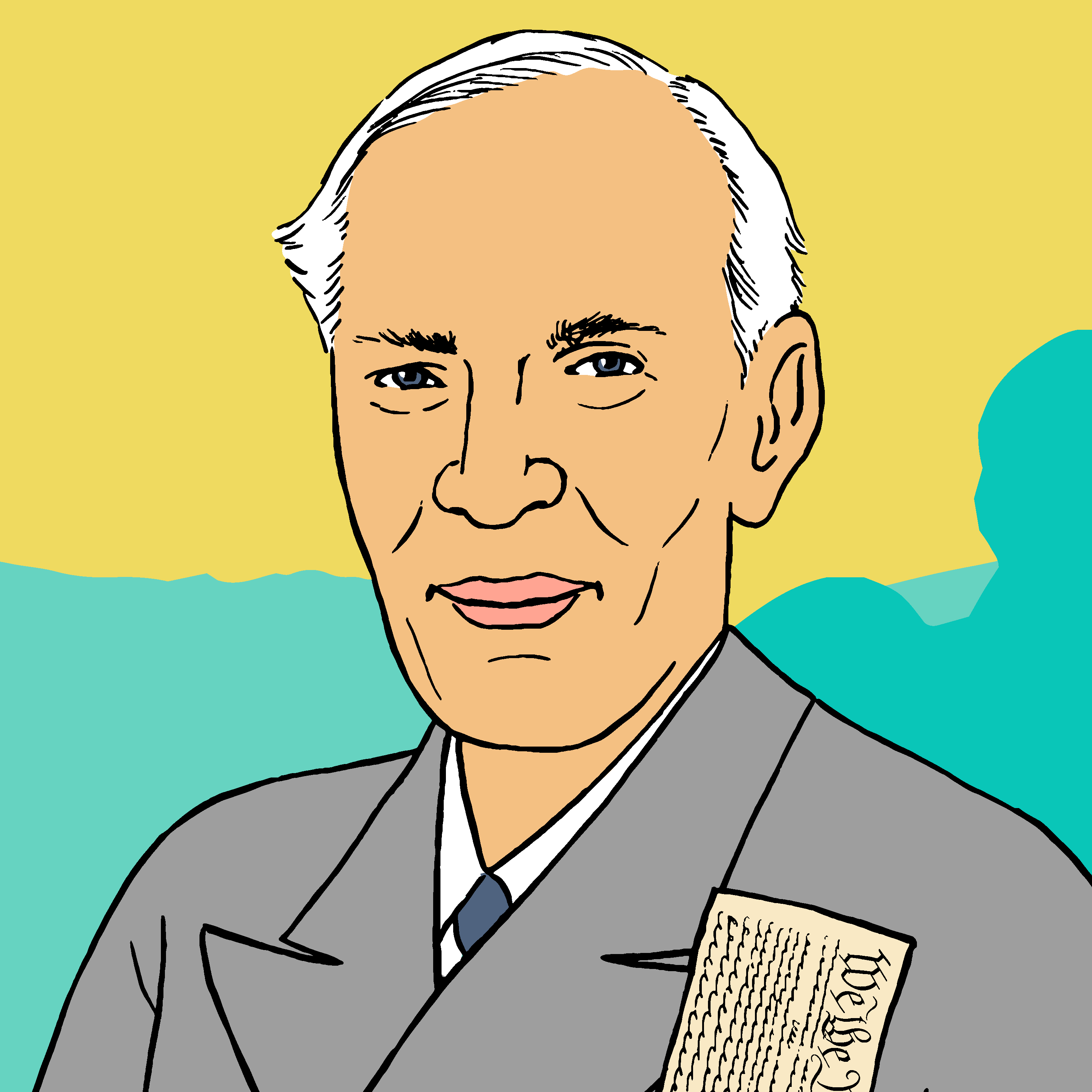
Silencing dissent didn't work in 1923 and won't work now
Upton Sinclair knew — and we must remember — that no civil liberties victory stays won.
By Hector Villagra
Aug 04, 2020
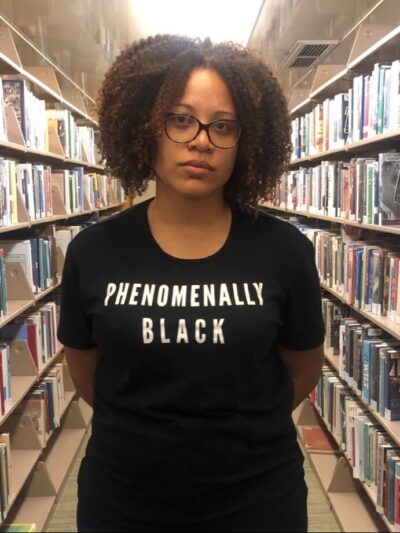
Banning My “Phenomenally Black” Shirt Is Only a Symptom of the Racism in Bakersfield Schools
I was told by the Greenfield Unified School District that I could not wear a t-shirt with the words “Phenomenally Black” because they said it was the same thing as wearing a “Make America Great Again” shirt. A Black colleague then later told me the administration asked if I was trying to push a Black agenda on campus. And yet when I wore a “Phenomenally Woman” shirt, there was no issue.
By Kei Jackson
May 21, 2020
California Must Require In-Person Polls for November Elections
As the coronavirus continues to spread, California’s elected officials must take swift action to protect the November elections.

May 19, 2020
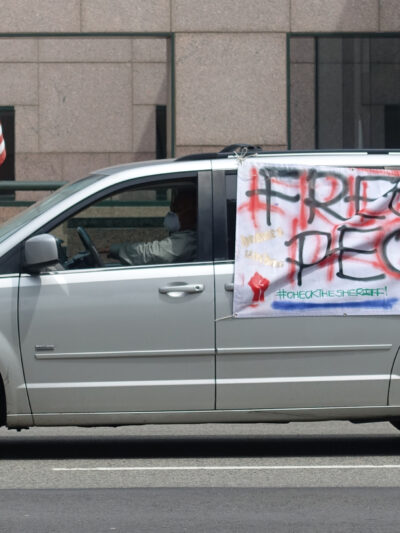
Why Freedom of Expression and Public Health Must Coexist
For centuries, people in this country have assembled to demand change and protest abuse of power. Protests have been central to nearly every major political advancement since the founding of the United States. The right to protest is enshrined in the First Amendment, which prohibits the government from “abridging the freedom of speech” or “the right of the people peaceably to assemble.” California’s Constitution likewise guarantees the right of the people to “instruct their representatives, petition government for redress of grievances, and assemble freely to consult for the common good.” Dr. Martin Luther King, Jr. said “the greatness of America is the right to protest for right.”
By Hector Villagra, Abdi Soltani, Norma Chavez-Peterson
Stay Informed
Sign up to be the first to hear about how to take action.
By completing this form, I agree to receive occasional emails per the terms of the ACLU’s privacy statement.
By completing this form, I agree to receive occasional emails per the terms of the ACLU’s privacy statement.