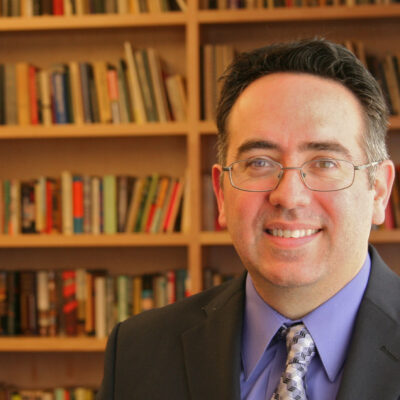
Hector Villagra
Executive Director
he/him/his
These are painful, heartbreaking times. It’s hard even to think when confronted with such stark images showing the utter disregard for Black lives.
I keep saying to myself that the killing of George Floyd is unspeakable — that there are no words. But that’s the easy way out. No matter how difficult. No matter how painful. No matter how inconsolable we may be. We must find the words. And, once we do, we have to keep shouting them — together — to demand justice.
George’s death — like those of so many before, whether caught on video or hidden from us — shows just how painfully far our nation remains from equality. And it raises basic questions that each of us must answer.
Do we accept a deeply divided nation where only some can trust the police? Do we accept that being Black in this country means vulnerability to the brutality and deadliness of racism? Will we work to put an end to the senseless police violence and killings?
The answer should be clear. This can’t continue. This must stop being acceptable. Now.
We cannot remain silent. We all bear responsibility for what the police do. Our society gives police tremendous power over people’s lives. They act in our name. When they kill, they act in our name.
If we want the violence and killing to stop, we must do something. If we don’t act — if we remain passive or indifferent to what is happening — we become fully complicit. What can any of us do?
We can seek justice wherever we are. We must speak up. We must make loud and clear that we have the right and the obligation to condemn police brutality and demand justice. Here are some ideas for immediate actions you can take to make your voice heard:
- Call for justice for George Floyd. Use these scripts to call on the Minnesota state and county officials to demand justice for George.
- Attend a local demonstration. If you do, please remember to protect yourself and those around you by following applicable guidelines. For example, wear a mask and keeping six feet of distance from others. And know your rights while protesting.
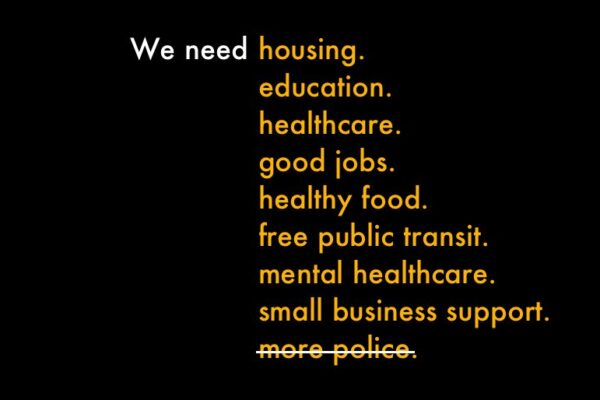
- Support the People’s Budget L.A. Take action to ensure the Los Angeles City budget prioritizes #CareNotCops — we want services that help and strengthen our communities especially during a pandemic, not more police to tear them apart.
- Support the California C.R.I.S.E.S. Act (AB 2054). Take action to establish a statewide pilot program to promote community-based responses to local emergency situations including those involving public health and mental health crises, people experiencing homelessness, intimate partner violence, and substance use. Passing AB 2054 would help prevent significant, unnecessary costs associated with officers as first-responders.
- End excessive use of force by police in California. It was a year ago the use of force bill (AB 392) passed in California, Governor Newsom reminded us in a recent press conference, recognizing that “we can do better on training police officers. We’ve made a lot of progress in the state, but my god, we can do better.” Sign up on People Power to get updates on how you can ensure that your local police department complies with the law.
- Join those who have pledged to Check the Sheriff, a movement that protests how L.A. Sheriff Alex Villanueva has turned his back on county residents and actively worked to undo progress that Angelenos have struggled for so long to achieve. He tolerates a "secret society" of sheriff deputy gangs, continues the destructive practice of hauling people away to isolated immigration prisons, and more.
While there are various options to consider, we can’t let our focus be narrowed. This isn’t just about calling for the firing, arrest, and prosecution of the officers involved, or even reforming police departments or reprioritizing their funding. We certainly need all those things and many more, but ultimately, we must reckon with the callous disregard for Black lives.
In 1963, Martin Luther King, Jr. dreamed of the day when “this nation will rise up and live out the true meaning of its creed” that all people are created equal. That day, tragically, hasn’t come yet. But we must remember—before laying out his vision—Dr. King called people to action by describing “the fierce urgency of now.”
“Now is the time to make real the promises of democracy. Now is the time to lift our nation from the quicksand of racial injustice to the solid rock of brotherhood. Now is the time to make justice a reality for all of God’s children.”
There was fierce urgency then — there is fierce urgency now. We cannot just wait for things to get better with time. We cannot be patient about injustice. We must strive toward justice.
We must do that painstaking work to make sure the promise of equality covers everyone — those intentionally left out at the nation’s founding and those who weren’t even considered for protection.
Let’s embrace and voice the urgency we feel now to secure justice — for George —for Breona Taylor, Ahmaud Arbery, Sandra Bland, Eric Garner, Ezell Ford — and for those whose names we may never know.
Hector Villagra is executive director of the ACLU of Southern California